Key Elements of French Nutritional Patterns
February 2026 | Educational Article | 7 min read
Traditional Food Culture and Nutritional Science
French culinary traditions have developed over centuries, reflecting regional geography, agricultural practices, and cultural values around food. Examining these traditions from a nutritional science perspective reveals several characteristics worthy of scientific investigation.
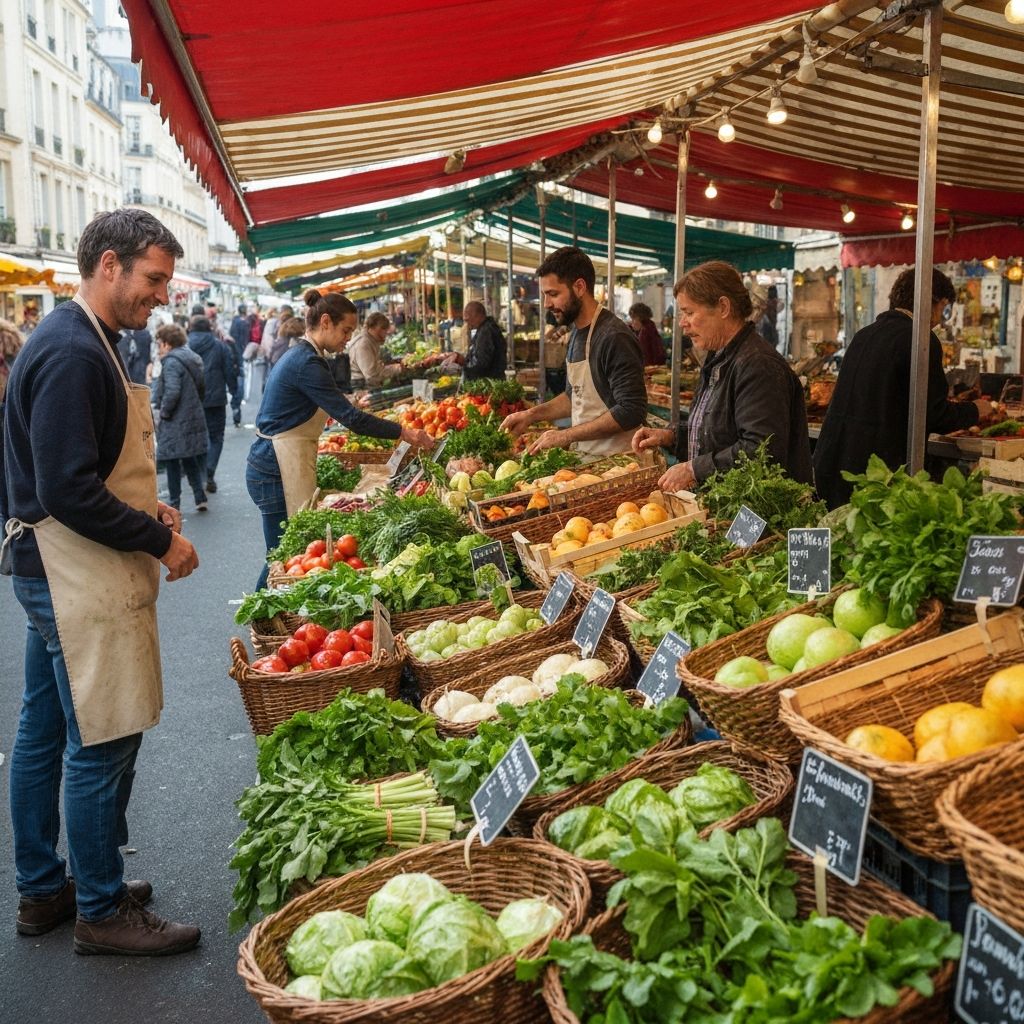
Seasonal and Local Produce
Traditional French food practices emphasize seasonal and locally-sourced produce. This approach naturally aligns with nutritional science principles: seasonal produce is typically harvested at peak ripeness when micronutrient density is highest, and local sourcing reduces transport time, preserving nutrient content.
The seasonal consumption pattern also means dietary variety throughout the year, ensuring exposure to diverse plant compounds and micronutrients from different vegetables, fruits, and grains as they become available.
Portion Control and Eating Pace
A characteristic aspect of French food culture involves smaller portion sizes and slower eating pace compared to many modern eating patterns. From a physiological perspective, slower eating allows time for satiety signals from the gastrointestinal tract to reach the brain, promoting appropriate energy intake.
Smaller portions of calorie-dense foods combined with vegetables, legumes, and whole grains create meal compositions that influence satiety signaling. The cultural emphasis on enjoying meals over extended periods means that satiety mechanisms can function optimally before excessive energy consumption occurs.
Diversity of Plant Foods
Traditional French cuisine incorporates varied vegetables, legumes, nuts, and whole grains. This dietary diversity increases consumption of different polyphenols, antioxidants, and other bioactive compounds that research suggests support metabolic health and micronutrient status.
The variety of plant foods also promotes gut microbiota diversity, as different plant compounds serve as substrate for different bacterial species. A diverse microbiota is associated with improved metabolic function and various health parameters in nutritional research.
Whole Foods and Minimal Processing
Much of traditional French cuisine emphasizes whole foods rather than ultra-processed products. Whole foods generally have lower energy density, require more chewing, and contain intact fiber that influences digestive processes differently than refined foods.
The preparation of meals from basic ingredients allows control over added sugars, sodium, and processed additives. This aspect of traditional practice aligns with current nutritional science recommendations emphasizing whole food consumption.
Moderate Use of Fat and Oil
While fatty foods are present in French cuisine, traditional preparation often employs modest amounts of high-quality oils in balanced dishes. Olive oil, used frequently in French Mediterranean regions, contains various bioactive compounds beyond basic fat.
The moderate integration of fats into mixed meals influences nutrient absorption, satiety signaling, and the palatability that supports adherence to dietary patterns. Dietary fat in appropriate quantities is nutritionally necessary and influences various metabolic processes.
Moderate Beverage Choices
Traditional French meals often include water, wine in moderate quantities, or other beverages without added sugars. The beverage choices in traditional practice align with nutritional science recommendations regarding hydration and limiting caloric beverages.
Wine, when consumed in moderate quantities, contains resveratrol and other polyphenols. Research examines the effects of moderate alcohol consumption on various metabolic markers, though individual responses vary significantly.
Social and Psychological Aspects
French food culture emphasizes social connection and pleasure associated with eating. From a behavioral and psychological perspective, positive associations with food and meals can support sustainable eating patterns and reduce stress-related eating behaviors.
The cultural emphasis on enjoying food in social contexts, rather than viewing eating as a purely functional activity, may contribute to psychological satisfaction and adherence to dietary patterns.
Research Perspectives
Various large population studies have examined French dietary patterns. While individual dietary components show varied effects in nutritional research, the overall pattern of moderate portions, plant foods, and whole foods is associated with maintained body weight and various health markers in epidemiological studies.
It is important to note that French dietary patterns are not homogeneous, and individual food practices vary. Additionally, modern French food culture has increasingly incorporated processed foods and larger portions, reflecting broader global trends.
Educational Context
This article provides scientific context for traditional food practices without prescribing specific diets. Cultural practices evolve, and individual nutritional needs vary based on personal factors. This information is educational and should not replace guidance from qualified nutrition professionals.